

Out of Sorts - A Lenten Devotional Week 1
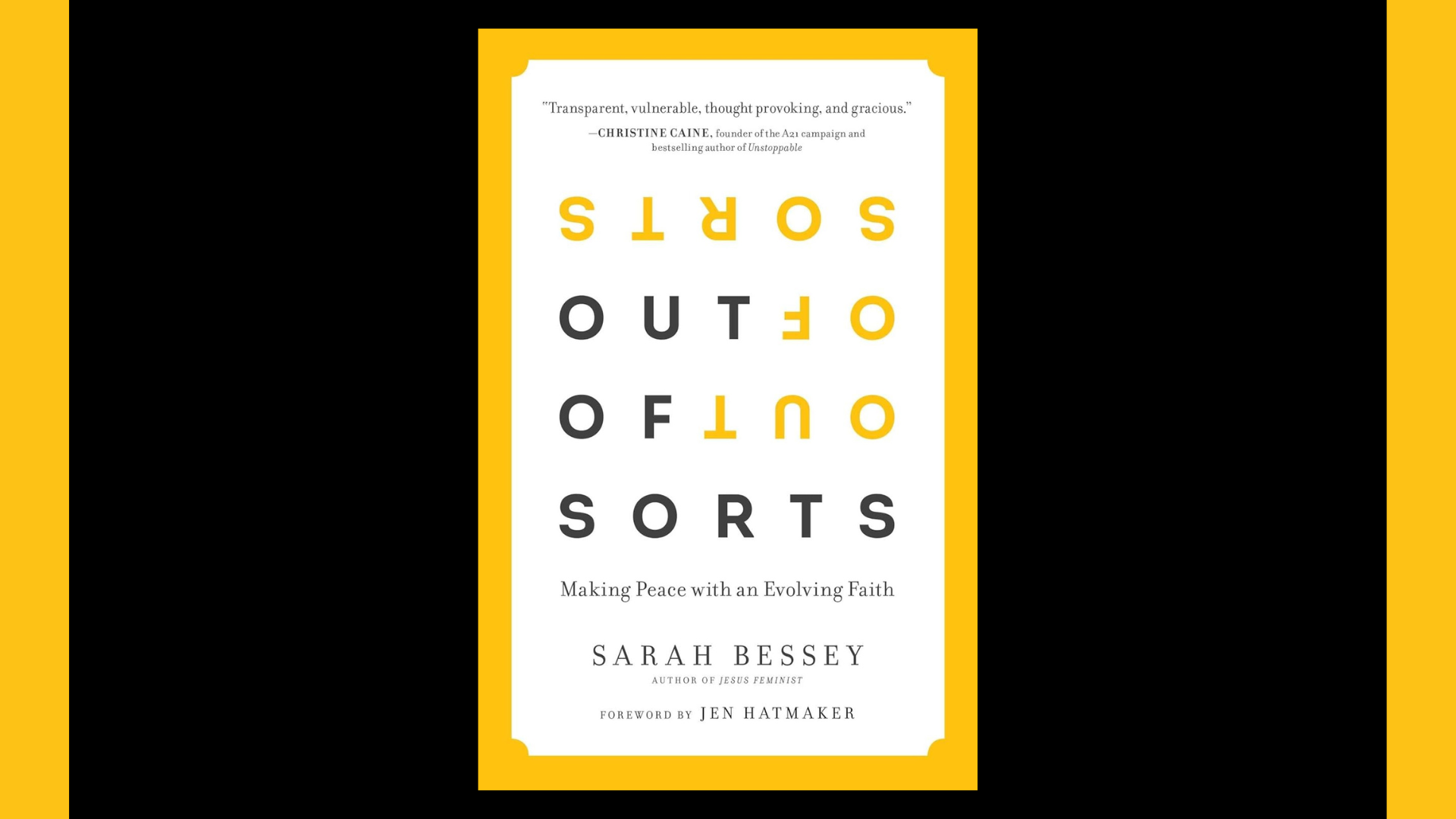
Lent is a season that invites us to loosen our grip. We enter these forty days not with certainty,
but with intention. We slow down, we reflect, and we remember that faith has never been about
having all the right answers. In the opening chapters of Out of Sorts, Sarah Bessey gives
language to this sacred unraveling. She describes faith as something we sort through again and
again, not something we finish and place neatly on a shelf. This feels especially true during Lent,
when we are reminded that even Jesus walked into the wilderness without easy clarity, trusting
God in the unknown.
Bessey challenges the idea that faith must be rigid or fully formed to be real. Instead, she invites
us to see doubt, questions, and uncertainty as companions on the journey. Lent echoes this
invitation. It reminds us that we are human, made from dust, and that there is freedom in
admitting we do not know everything. This honesty makes room for humility, curiosity, and
grace.
At the center of Bessey’s reflections is Jesus—not as a gatekeeper of certainty, but as a living
example of love. Jesus was not primarily concerned with people having perfect theology. He
healed, he welcomed, he restored, and he loved without condition. He continually invited people
into relationship, not into rigid correctness. Lent calls us back to this same center. It asks us to
consider not just what we believe, but how we love.
Perhaps the most freeing truth in Out of Sorts is that faith can be chosen and shaped with
honesty. We are allowed to grow. We are allowed to release what no longer brings life. Lent
becomes not a season of punishment, but a season of permission—the permission to let go, to
rediscover Jesus, and to embrace a faith rooted not in certainty, but in love.
Sarah Bessey is one of many emerging Christians who when their faith failed them instead of
leaving the Church, decided to build her faith back up. She did this with the realization that we
are all theologians and as someone with the Holy Spirit inside of her, she has the authority to
decide for herself based on her reading of scripture, understanding of God and experiences what
her theology is. She respects education and scholars, but she also respects her own relationship
with God.
Sarah as with many, realized her faith was not going to last as it was when she started asking
questions, she didn’t have the answers to. The thing she had to learn was- the problem was not,
not having the answers- it was not feeling free to challenge and question the answers given. She
asks questions like: “Was a 6-day creation literal? what is the point of accepting Jesus into my
heart thing?, What is hell? Is it real? What is heaven? Why are there so many different kinds of
Christians? Does God still speak today? Is God sovereign?
Again she searches for some of these answers but is also okay with not holding those answers
too tightly because after all she says, “ If our theology doesn’t change and shift over our
lifetimes, then I have to wonder if we are paying attention.”
This Lent, I hope you will challenge yourself to continue to question your theology. If it hasn’t
changed in a while, you might want to ask yourself if you have been paying attention.
Rev. Maggie Niles
Login To Leave Comment